
PDF version here.
Seoul’s Attacks on American Business Are a National Security Problem
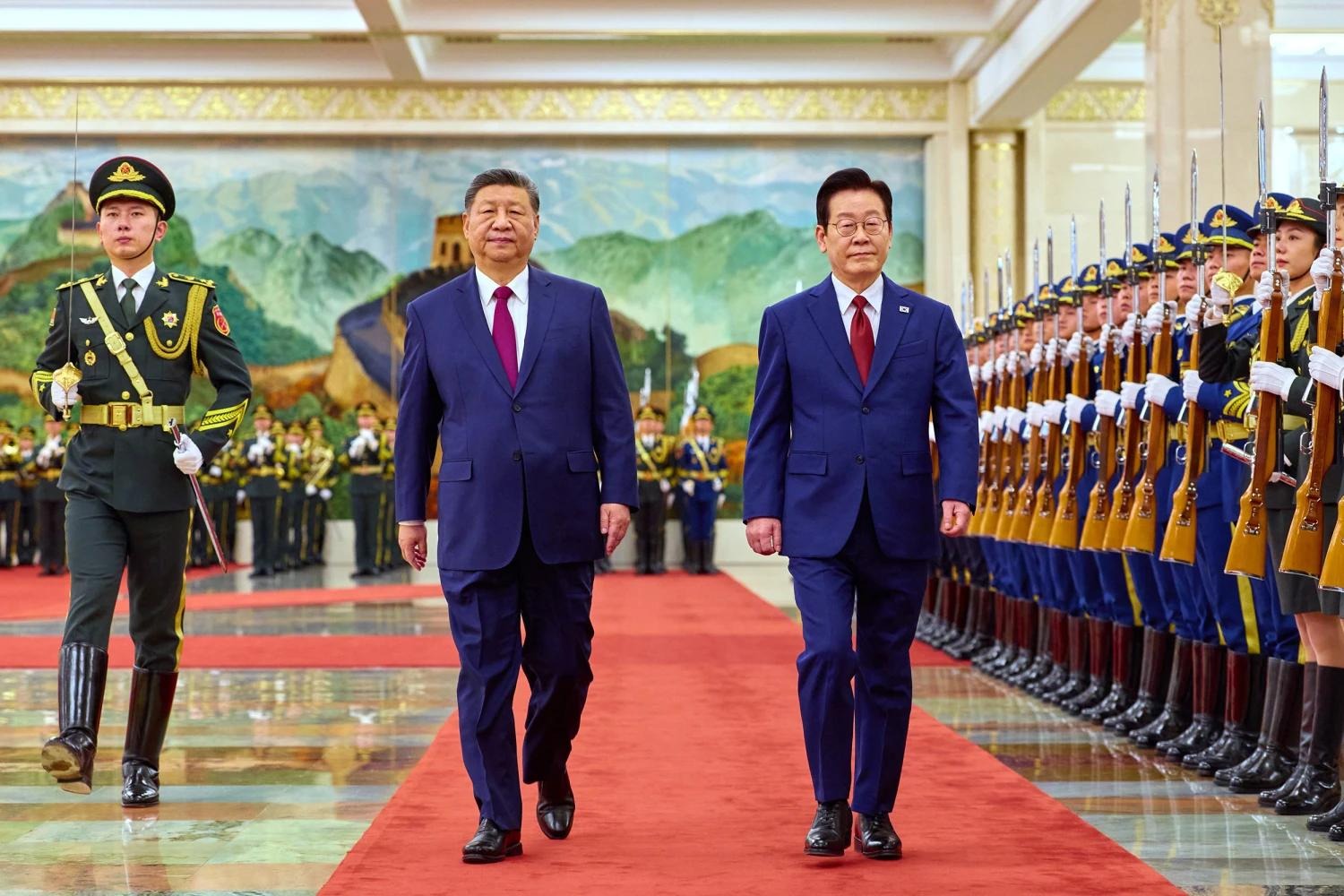
Last week, the House Judiciary Committee released a report detailing how South Korea continues to target American businesses–a troubling pattern of behavior driving a wedge between the United States and a vital ally. At a time when Washington and Seoul should be deepening security ties, President Lee’s left-wing government is undermining America’s economic security, eroding bilateral trust, and handing Beijing a commercial advantage. Seoul must stop singling out American business before it leads to national security fallout.
South Korea Keeps Targeting American Companies
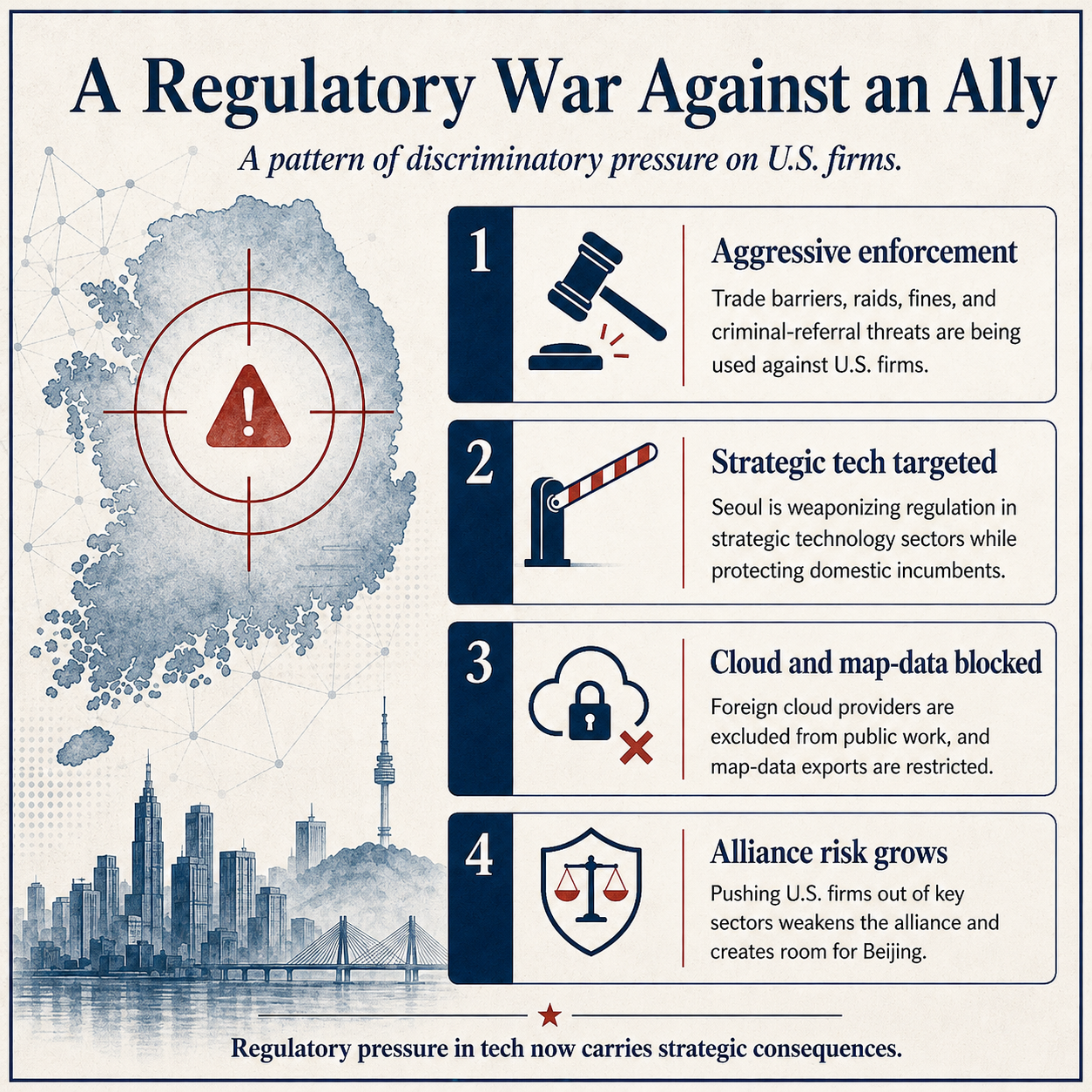
According to the House Judiciary Committee, South Korea’s regulatory authorities have engaged in a troubling pattern of discriminatory behavior toward U.S. firms despite calls from senior Trump officials and conservatives in Congress to stop the conduct. These practices include:
- Targeting American companies with aggressive investigations, raids, fines, broad data requests, and threats of criminal referrals that create reputational damage, impose high costs, and force protracted legal fights–even without establishing wrongdoing.
- Imposing trade barriers across every major technology sector to favor domestic incumbents and placing U.S. companies at a competitive disadvantage in mapping, cloud computing, logistics, digital platforms, and other areas central to U.S. tech leadership.
- Locking U.S. cloud providers like Amazon Web Services, Microsoft, and Google out of its market by failing to grant Cloud Security Assurance Program (CSAP) certification to foreign providers.
- Weaponizing digital regulations against U.S. companies with E.U. style gatekeeper competition frameworks and undermining America’s ability to compete in their market.
- Blocking exports of map data and denying foreign license applications for cartographic and location-based data, while Korean competitors get access to higher precision maps and an edge in ride-sharing, delivery, and more.
The Coupang Case Shows Just How Far Seoul is Willing to Go
- The House Judiciary Committee’s findings on Coupang–a Fortune 150 Seattle-based tech company and one of America’s only clear leaders in a major Korean consumer market–show why Congress is so concerned with Seoul’s behavior.
- Coupang should be an alliance success story on economic cooperation–an American company that facilitates billions of dollars in annual exports of U.S. goods into the Indo-Pacific and has become the second-largest private employer in Korea. But rather than heralding that success, South Korea has gone to extreme lengths to target Coupang and replace the company with local competitors.
- After a cybersecurity incident with a low-level data breach, Seoul seized the opportunity to target the business with an unprecedented campaign involving over ten agencies, 40 separate investigations, more than 4,200 document requests, and 652 interviews — with most investigations reportedly unrelated to the original incident.
- Korean officials began demanding punitive action against Coupang before authorities established the facts or completed their investigation. The report documents officials labeling Coupang a “criminal organization.” Prime Minister Kim even called for a response “with the same determination used to wipe out mafias.”
- This disproportionate response to Coupang–including over $410 million in fines from regulators–is far more severe than Seoul’s treatment of Korean and Chinese companies and escalated a limited data breach incident into a major pressure campaign.
- Seoul’s actions prompted a backlash from American investors, who filed a Section 301 petition asking the U.S. Trade Representative to investigate Korea’s unusual tactics and explore whether it was unfairly targeting Coupang. The USTR has acknowledged that the Trump Administration continues to prioritize Coupang’s discriminatory treatment, echoing comments from Vice President Vance, Secretary Rubio, and others.
- The House Judiciary Committee report reinforces what conservatives have suspected for months: that Seoul used this data breach incident as a pretext for a whole-of-government pressure campaign against Coupang involving record penalties, criminal referrals, travel restrictions, and threats to business licenses.
- This precedent is dangerous for American businesses. If a major U.S. company operating in South Korea like Coupang can be targeted like this, other American companies have to ask themselves: Will they also face similar pressure campaigns by Seoul’s authorities? Will other nations look to replicate South Korean tactics?
- The report also raises uncomfortable questions as to why South Korea’s National Intelligence Service directed Coupang employees during the China-related cybersecurity operation only to deny its involvement. Was Seoul attempting to insulate itself from CCP retaliation? Was it a signal of deference to Beijing?
South Korea’s Actions Are Already Damaging National Security
What began as a regulatory dispute involving an American company is becoming a major source of friction in the broader relationship–and the damage won’t be confined to commerce. That should concern policymakers in both Washington and Seoul.
There are already indications that the Coupang dispute is impacting security consultations, with South Korea’s national security adviser confirming that the controversy is interfering with bilateral talks on national security cooperation.
These are not minor discussions–they involve nuclear submarines, shipbuilding, basing, troop deployments, intel sharing, joint exercises, and other defense cooperation issues.
The foundation of every alliance is trust. When Seoul targets American companies, the damage doesn’t stop at the balance sheet–it erodes confidence among national security officials that South Korea can be trusted with ambitious joint projects, deeper industrial cooperation, and sensitive American technologies.
Vice President Vance and conservatives in Congress have warned Seoul that targeting American business will strain collaboration on security initiatives, including shipbuilding and submarine construction. These capabilities are critical to countering China and bolstering Western deterrence in the Indo-Pacific.
Allies and partners should not assume that President Trump will compartmentalize economic attacks from national security cooperation, as other presidents have. Honoring America’s economic security by treating U.S. companies with respect sets the foundation for a strong defense relationship.
At a time when the Trump Administration is calling on allies to increase burden-sharing, South Korea is burden-dumping by fueling a commercial dispute that distracts from security threats. Now more than ever, America is counting on South Korea to help preserve stability in the Indo-Pacific and deter North Korean provocations.
Communist China is Celebrating Seoul’s Behavior
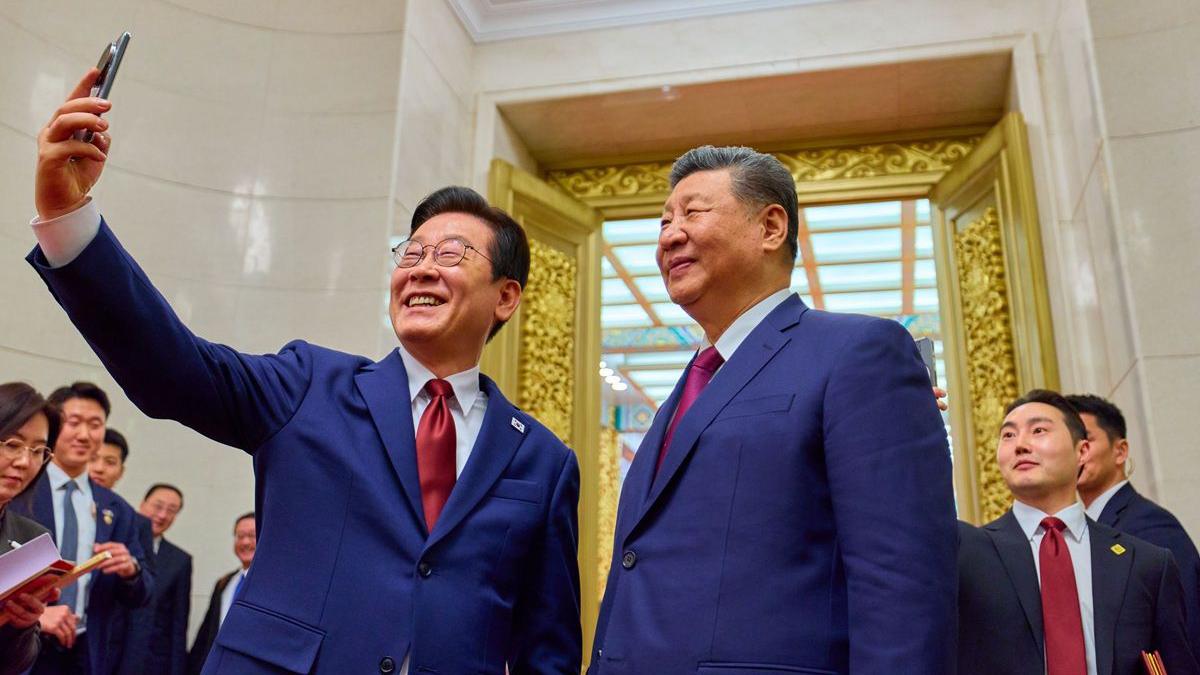
- Beijing could not be more thrilled that Korea is targeting U.S. business. By creating barriers for U.S. firms, Seoul is not just harming the United States–it is creating an opening for Chinese competitors to expand their influence in a key Asian market.
- Chinese companies are expanding their footprint across South Korea. Korean regulators approved the Shinsegae–AliExpress Korea joint venture despite concerns over customer-data sharing, giving Alibaba control of 41% of Korea’s overseas online shopping market. Korean spending on China-shipped products surged 32% to 4.7 trillion won in 2024, with Alibaba comprising 62% of Chinese import online spending.
- Lawmakers have warned that Seoul’s platform regulations would punish American business while favoring Chinese firms like ByteDance, Alibaba, and Temu. The economic consequences could be severe: One study estimated that Korea’s competition policies could reduce economic growth by nearly $1 trillion over a decade, including more than $525 billion in losses borne by Americans alone.
- This is about more than market share. America’s commercial reach impacts our power abroad. Economic competition is central to America’s contest with China, and commerce shapes geopolitical influence. Barriers for U.S. firms help Beijing expand its commercial footprint, political leverage, and predatory influence overseas.
- Seoul has already promised the Trump Administration it would stop discriminating against U.S. companies in the Korea Strategic Trade and Investment deal signed last year. Yet Congress is again having to sound the alarm that Seoul isn’t living up to those commitments. The United States cannot let a treaty ally stack the deck against U.S. firms while enabling Communist China’s expansion.
South Korea’s Hard-Left Turn Is Raising More Concerns
- The concern over Seoul’s treatment of American business is not occurring in a vacuum. It comes as President Lee and South Korea’s left-wing government continue to undermine the Trump Administration and strain its alliance with America.
- The governing Minju Party maintains close ties to the Chinese Communist Party. In 2021, it joined celebrations for the CCP’s 100-year anniversary, raising its banner alongside them and sending a congratulatory message to mark the centennial.
- President Lee himself has sent troubling signals on China. During his presidential campaign, he asked, “what does it matter to us” if China attacks Taiwan? Months later, his defense minister even explored military cooperation with China.
- Seoul has also broken with the Trump Administration on Middle East policy. Just months ago, Lee shockingly said there was “no difference” between Israel’s conduct in Gaza and the Holocaust. Seoul also declined to assist U.S. efforts to reopen the Strait of Hormuz, despite over two-thirds of its oil imports passing through it.
- South Korea remains one of America’s most important allies. But these actions paint a troubling picture of a government that is moving in the wrong direction and creating unnecessary friction with the United States.
The Bottom Line: South Korea must cease this reckless behavior toward American business before it leads to more fallout. As threats mount in the Indo-Pacific, Seoul has a responsibility to end this commercial conflict and stop undercutting U.S. national security.