
The following is an opinion piece by POLARIS Senior Advisor John Noonan. You can find the original op-ed here in National Review.
In 1950, the Truman administration and America’s newly minted NATO allies convened at The Hague to lay the foundation for the alliance’s first defense plan. The result was an integrated defense architecture, coordinated military planning, and a Western alliance determined to prevent another European war by means of credible deterrence.
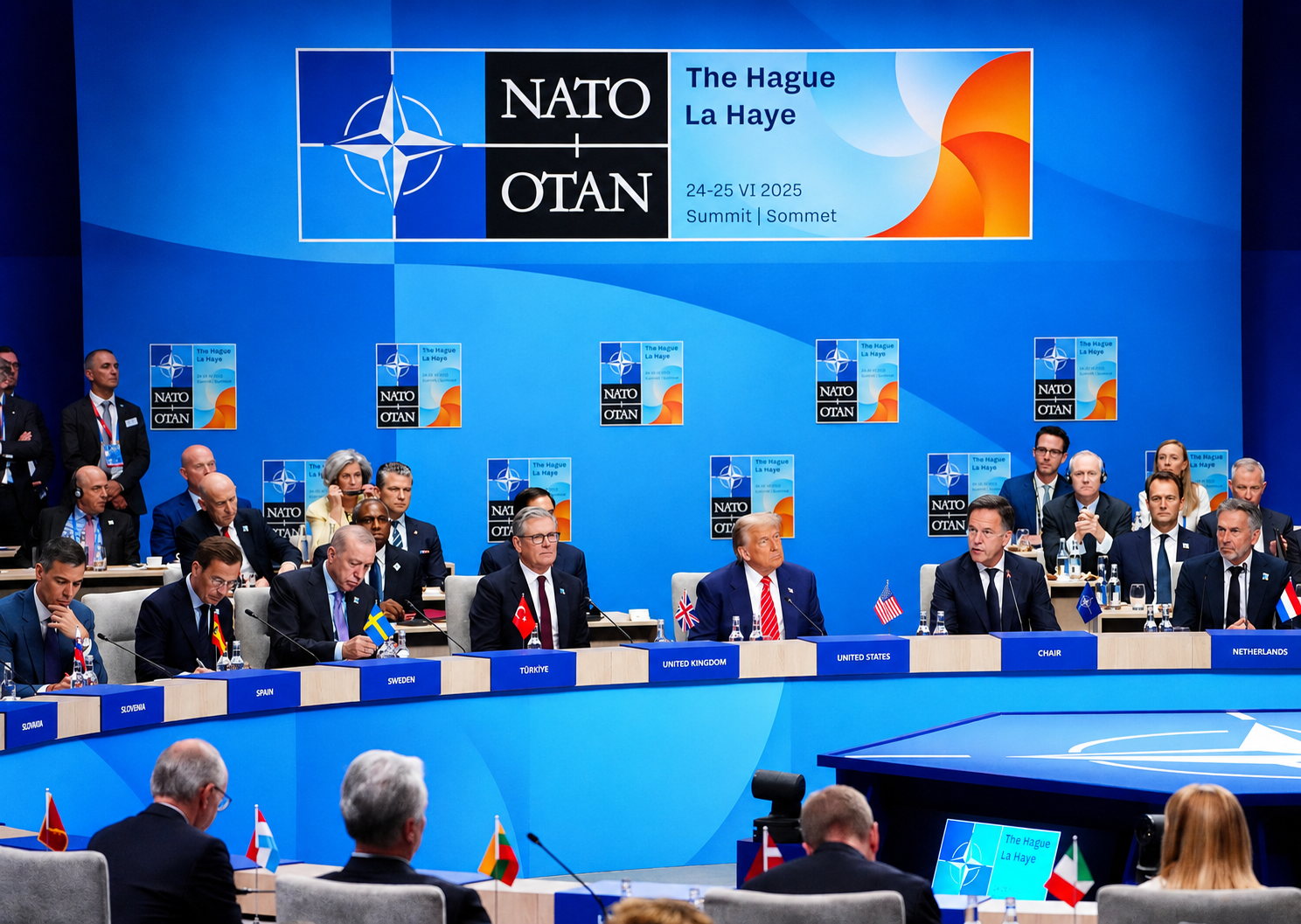
Seventy-five years later, President Trump returned the alliance to The Hague for a historic summit, where its members committed to generational defense investments. Nearly every ally pledged to move toward spending 5 percent of its GDP on national security.
One year later, NATO is beginning to reap the benefits. From Lisbon to Tallinn, NATO members are accelerating a long overdue rearmament. As Secretary General Mark Rutte has proudly declared, the alliance has never been stronger.
Today, nearly every NATO member meets the 2 percent defense spending floor and has a pathway to 5 percent. Europe has shaken its dependence on Russian energy; European NATO members and Canada have committed approximately $1.2 trillion in defense spending since President Trump’s first term.
But defense spending hikes tell only part of NATO’s comeback story. To monitor the Trump administration’s NATO successes and remaining gaps, Polaris National Security has released a NATO assessment project, which chronicles the alliance’s remilitarization, its renewed deterrence posture against Russia, and its value for American power projection. The report classifies NATO countries in tiers, assessing their military contributions and strategic alignment.
Tier 1 members are NATO’s leaders. They don’t just meet alliance expectations — they exceed them. Poland is illustrative of this cohort: it spends the highest percentage of GDP on defense, rallies its neighbors around deterrence efforts, sacrifices for Ukraine’s defense, and consistently supports American security operations. Poland leads where other nations follow.
Tier 2 allies are significant contributors and where the bulk of members fall. Their defense spending usually falls along the NATO median; they support alliance programs, align with NATO on threat assessments, and largely cooperate with the United States on security priorities. But they have room to grow by increasing defense spending, modernizing their militaries, weaning off Russian energy, increasing their strategic alignment, or backing American military action.
Tier 3 allies are the NATO members that require the most attention. These countries aren’t merely slow to align with NATO’s revitalization; their actions actively harm it. While important partners, they often stall increased defense spending, overly engage with adversaries like Russia and China, or obstruct American and NATO operations. Although they bring significant value to the alliance, the actions of these nations — Spain, Turkey, and others — undermine alliance cohesion and NATO’s strength.
The task before Washington now is capitalizing on Trump’s successes to finish the revitalization of the world’s strongest alliance. America’s stick was always there for presidents to wield, but previous administrations were indeed too reluctant to use it.
As the Trump administration builds out its NATO 3.0 plans, it will need to diversify its burden-sharing approach for effective alliance management.
Tier 1 allies are the administration’s vanguard — and should be rewarded as such. While other countries complain about high standards, these allies make no excuses — all the more impressive considering that many are smaller and have limited resources. These allies should be given priority access to advanced defense technology, prioritization for U.S. basing, greater say in NATO political and command positions, enhanced security assurances, and favorable trade arrangements. Rewarding Tier 1 countries will accelerate their remilitarization, provide positive reinforcement to those investing in their national defense, and generate goodwill toward the United States.
Tier 2 countries are the backbone of NATO: capable, dependable, and strengthening. While they may require more pushing from Washington to continue their positive trajectory, by and large these allies are constructive partners — and the Trump administration’s response should reflect that. Cooperation with these countries should reflect our dual interests: getting them to commit more while affirming their role as needed partners. That means tying progress to advanced co-development and co-procurement, tying U.S. force presence to alliance contributions, establishing Ukraine aid floors, and encouraging them to aspire to Tier 1 status with incentives.
Managing NATO’s Tier 3 countries is the most challenging and will require calibrated pressure: diplomatic accountability, clear benchmarks, force-posture adjustments, and formal contribution reviews. These nations are important to NATO, but that doesn’t make their free-riding acceptable. The challenge will be to pull them up instead of pushing them away,
Critics who predicted that pushing NATO members to step up would fracture the alliance are being proven wrong. NATO is stronger, more capable, and more committed than it has been in decades. But the work is not finished — and the next phase of NATO’s great awakening will require both hammer and chisel.
By rewarding those who carry the burden, encouraging those with room to improve, and challenging those who lag, Trump can succeed where his predecessors failed, build on his burden-sharing successes, and position the West for long-term security.
John Noonan is an adviser to POLARIS National Security. He is a former congressional staffer and veteran of the United States Air Force.